How I Would Redesign Contract Review as an AI-Native Workflow
The old route for contract review is email, PDFs, and Word track changes. Here's how I'd design an AI-native system that compares against a playbook and keeps judgment calls human.
Tag archive
The old route for contract review is email, PDFs, and Word track changes. Here's how I'd design an AI-native system that compares against a playbook and keeps judgment calls human.
A teardown of why onboarding stays slow across HR, IT, and payroll, and how a coordination layer, not a chatbot, would fix the handoff.
A system teardown of vendor onboarding: why chasing tax forms, insurance certificates, and bank details still takes weeks, and what an AI-native intake and risk-tiering system would automate versus keep human.
Adding an AI agent to a broken workflow rarely fixes it. Here's why the failure is usually the process, not the model and what to map before you automate.
A system teardown of expense report reconciliation: why the old route of receipts, card statements and spreadsheets persists, and what an AI-native coordination layer would look like.
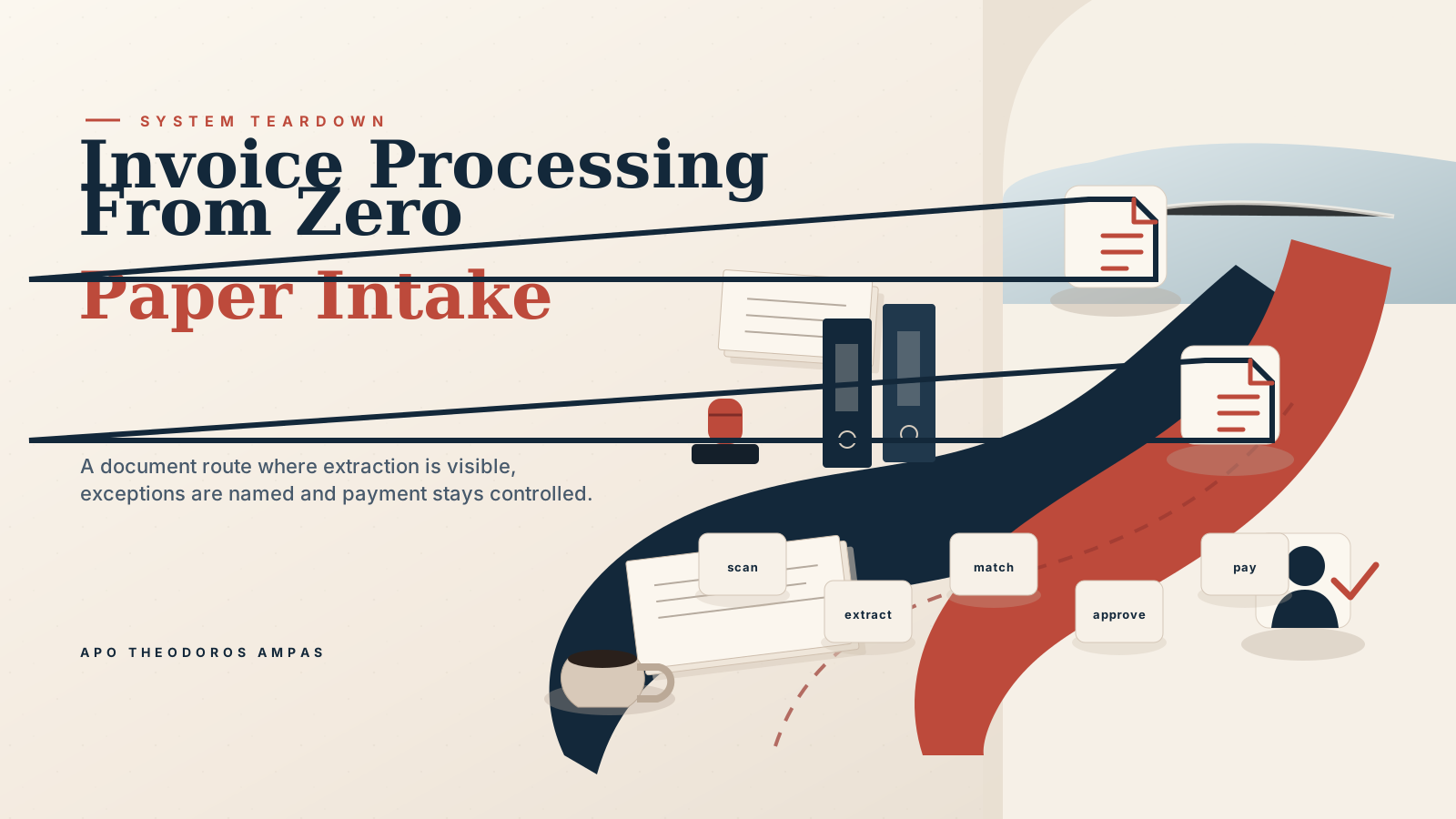
A system teardown of accounts payable: why three-way matching is still manual, and what an AI-native invoice processing route would automate and keep human.
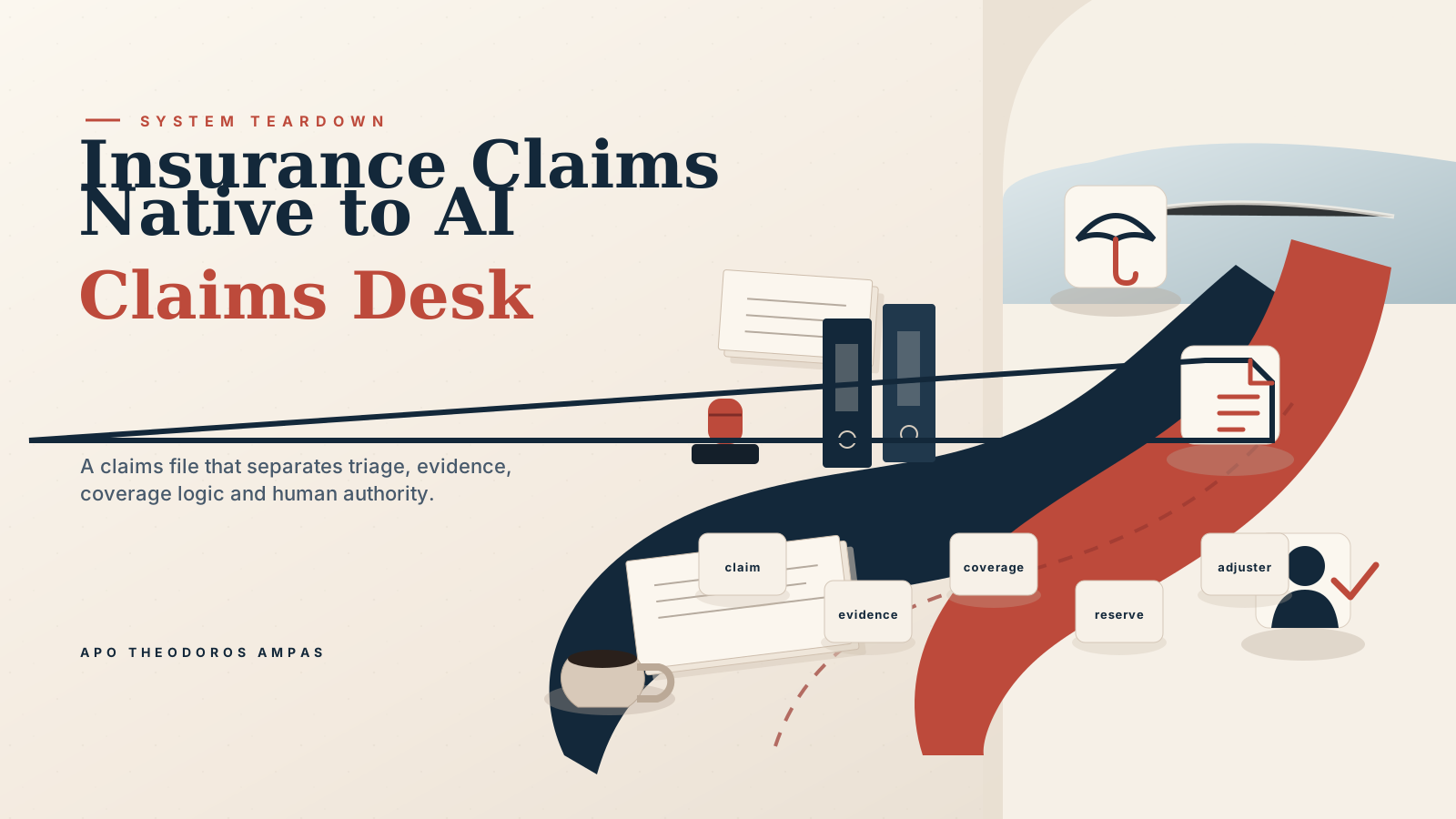
The 1995 insurance claims workflow is a document relay between six people. Here's how I'd redesign it as an AI-native intake, triage, and settlement route.
Where the AI-to-human handoff should actually sit in a workflow, using refund and return approval as the worked example.
A designed teardown of the coordination layer under Greek bookkeeping: inbox invoices, classification, myDATA transmission, rejections, and the accountant who still signs. A model, not a client build.
A designed teardown of the coordination layer under CE marking: product intake, requirement mapping, evidence gap analysis, test coordination, technical file generation, and the engineer who signs. A model from the lab, not a client build.